
How Do I Prevent Family Disputes After I'm Gone?
4 minute read

A few clear decisions now can prevent lasting conflict later.
Few things cause as much lasting damage to a family as a dispute over a loved one’s estate. What should be a time of grief and reflection can quickly become a source of conflict, resentment and, in serious cases, expensive litigation. The good news is that most estate disputes are entirely preventable, and the steps you can take are straightforward.
In this guide, we walk through the most effective ways to protect your family from conflict after you are gone and explain how a professionally drafted will is at the heart of almost all of them.
Table of Contents
Why Family Disputes Over Estates Happen in the First Place
Before we look at solutions, it helps to understand why disputes arise. In most cases, they come down to one of three things: a lack of clarity about what the deceased wanted, a perception that certain family members have been treated unfairly, or uncertainty about who has legal authority to administer the estate. A well-prepared Will addresses all three of these issues directly.
Step 1: Make a Will. Do Not Leave Things to Intestacy.
This is the single most important step you can take. If you die without a valid will, your estate is distributed according to the rules of intestacy, a fixed legal framework that pays no attention to your personal circumstances, your relationships, or your wishes.
The intestacy rules follow a strict hierarchy of relatives. For many people, that hierarchy produces outcomes they would never have chosen themselves. The problems are particularly acute in two situations.
Unmarried Couples
If you are not married or in a civil partnership, your partner has no automatic right to inherit anything under the intestacy rules, regardless of how long you have been together or how intertwined your lives have become. This surprises many people. There is no such thing as a “common law spouse” in English and Welsh law, and the intestacy rules do not recognise cohabiting partners at all. Your estate could pass entirely to blood relatives, leaving your partner without even the home you shared.
Blended Families
If you have children from a previous relationship and you are now remarried or in a civil partnership, the intestacy rules can produce results that feel deeply unfair to everyone involved. Depending on the size of the estate, your current spouse may inherit everything, leaving your children from a previous relationship with nothing. Or assets may be divided in a way that creates friction between your spouse and your children at an already difficult time.
Specific Gifts
Intestacy also prevents leaving specific items or sums to particular people. If you want to leave a piece of jewellery to a grandchild, a sum of money to a close friend, or a charitable donation to a cause you care about, none of that can happen under intestacy rules. Everything is simply divided according to the formula.
The solution is simple: make a will.
Step 2: Avoid DIY Wills
There is no shortage of will-writing kits and online form-fillers available, and it is understandable that people are drawn to them. However, a will is one of the few legal documents that cannot be easily corrected after the person who made it has died. The cost of getting it wrong is therefore unusually high.
The rules governing wills in England and Wales are more technical than most people realise. The requirements for valid execution are strict: the will must be signed in the presence of two independent witnesses, both of whom must also sign. If a witness is also a beneficiary, the gift to that beneficiary will generally fail. If the document is not worded correctly, gifts can lapse, fail entirely, or produce ambiguities that require a court to resolve.
DIY wills also carry a greater risk of being challenged on grounds of lack of testamentary capacity or undue influence, not because the person lacked capacity, but because there is no professional record of the circumstances in which the will was made. A solicitor or professional will-drafter keeps attendance notes and applies a recognised process, which provides important evidence if a challenge is ever brought.
The modest savings from using a DIY Will can be dwarfed by the legal costs of resolving issues after death.
Step 3: Make Clear, Considered Choices
Choosing Your Executors
Your executor is the person responsible for administering your estate after you die. They will deal with banks, HMRC, property, and beneficiaries. Choosing the right executor matters enormously. They need to be organised, trustworthy, and able to remain neutral if tensions arise among beneficiaries. You can appoint more than one executor, and it is generally wise to do so as a safeguard.
Think carefully before appointing a beneficiary as the sole executor, as it can create a perception of a conflict of interest. A professional executor (or a solicitor acting in that role) can sometimes be the right choice, particularly for larger or more complex estates.
Deciding Who Receives What, and What Happens if They Cannot
Be specific about your gifts. Always consider what should happen if a beneficiary dies before you. A well-drafted will includes “substitutional” or “alternative” provisions, so that if your first choice cannot receive a gift, it passes to someone else you have nominated rather than falling into a legal grey area.
Step 4: Consider Trusts for Vulnerable Beneficiaries
If any of the people you wish to provide for have a disability, a mental health condition, a problem with debt or addiction, or are simply very young, leaving them a large sum outright may not be in their best interests. Direct inheritance could affect their eligibility for means-tested benefits or simply be difficult for them to manage.
In these situations, a discretionary trust within your will can be a much more effective way to provide for them. The assets are held and managed by trustees according to your wishes, and are distributed in a way that genuinely benefits the person over time rather than all at once.
This is an area where professional guidance is particularly valuable, since the drafting of trust provisions needs to be precise to achieve the outcome you intend.
Step 5: Include a Residuary Clause
A residuary clause is the provision in your will that catches everything that has not been specifically gifted to someone else. It also catches assets that you acquire after the date of the will, and gifts that fail for any reason.
Without a residuary clause, anything that falls outside the specific gifts in your will may be subject to the intestacy rules, which is precisely what you were trying to avoid by making a will in the first place. Every professionally drafted will should include a well-worded residuary clause as a matter of course..
Step 6: Think About Inheritance Tax
If the value of your estate exceeds the relevant thresholds, inheritance tax may be payable at 40% on the excess. However, careful planning can significantly reduce the burden.
Every individual has a Nil Rate Band (currently £325,000) and potentially an additional Residence Nil Rate Band (currently up to £175,000) if a home is passed to direct descendants. Married couples and civil partners can transfer their unused allowances to each other, thereby substantially reducing the tax due on the second death.
Structuring your will to make the best use of these allowances is not complicated, but it does require thought. An inefficiently structured estate can result in a significantly larger tax bill than necessary, thereby reducing what your beneficiaries receive.
Step 7: Consider Protecting Assets from Future Care Costs
This is an issue that affects many families but is rarely considered until it is too late. If a beneficiary inherits assets outright and later requires residential care, those assets will generally be taken into account when assessing their entitlement to local authority funding. In effect, an inheritance can be consumed entirely by care home fees rather than benefiting the person in the way you intended.
By providing for a beneficiary through a trust rather than a direct gift, it may be possible to structure the inheritance so that it does not form part of their assessable capital. This is a nuanced area, and the rules are subject to change, so it is important to take professional advice to ensure that any arrangement is properly structured and legally sound.
Step 8: Review Your Will Regularly
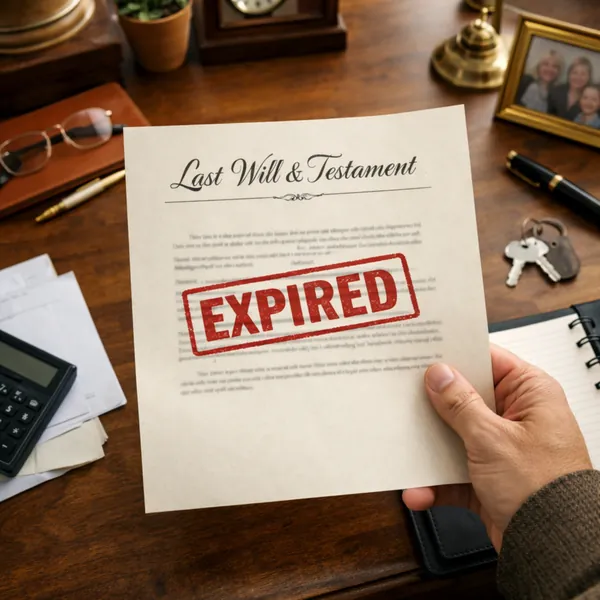
A will reflects your circumstances at the time it is made. Circumstances change, sometimes dramatically, and a will that made perfect sense five years ago may no longer reflect what you want.
You should review your will after any significant life event. Marriage automatically revokes a previous will in England and Wales, which catches many people off guard. Divorce, the birth of a child or grandchild, the death of a beneficiary or executor, a significant change in the value of your estate, or a change in your family relationships are all good reasons to revisit your arrangements.
As a general rule, reviewing your will every 3 to 5 years is a sensible habit, even if nothing significant has changed.
Step 9: Write a Letter of Wishes
Even the most carefully drafted Will cannot fully explain the thinking behind your decisions. If you anticipate that some people may be disappointed or surprised by your choices, a letter of wishes can be invaluable.
A letter of wishes is not a legally binding document, but it accompanies your will and explains the reasons for your decisions in your own words. It might explain why you have left more to one child than another, why a particular person has been excluded, or how you would like a trust to be managed in practice.
The practical value of a letter of wishes should not be underestimated. It can reduce the likelihood of a challenge in the first place, because people are less likely to dispute a decision they understand the reasoning behind. And if a challenge is brought, a clear and thoughtful letter of wishes can provide important evidence that you knew exactly what you were doing and why.
Putting It All Together
Preventing family disputes after your death is not about controlling people from beyond the grave. It is about being clear, being thoughtful, and making sure that the people you love are not left to argue over ambiguities and assumptions. A professionally drafted will, kept up to date and supported by a clear letter of wishes, removes the uncertainty that so often lies at the heart of estate disputes.
The process does not need to be complicated or expensive. For most people, a straightforward appointment with an experienced will-drafter is all it takes to put everything in order.
Ready to get started?
If you would like to make sure your wishes are clearly recorded and your family is protected, we are here to help. Our will-drafting service is straightforward, professional, and designed around your individual circumstances.
Frequently Asked Questions
What is the best way to prevent family disputes over my estate?
The most effective way to prevent family disputes over your estate is to make a professionally drafted will that clearly sets out your wishes. A well-prepared will removes the ambiguity and uncertainty that most disputes arise from. It should name your chosen executors, set out specific gifts and a residuary clause, include provisions for vulnerable beneficiaries where relevant, and be supported by a letter of wishes explaining the reasoning behind your decisions.
What happens if I die without a will in England and Wales?
If you die without a valid will in England and Wales, your estate is distributed according to the rules of intestacy. These rules follow a fixed hierarchy of relatives and take no account of your personal wishes, your relationships, or your circumstances. Unmarried partners have no automatic right to inherit anything, and blended families can face particularly difficult outcomes. Making a will is the only way to ensure your estate is distributed as you intend.
Can an unmarried partner inherit if there is no will?
No. Under the intestacy rules in England and Wales, an unmarried partner has no automatic right to inherit, regardless of how long the couple have been together or how intertwined their lives are. There is no legal concept of a common law spouse in English and Welsh law, and the intestacy rules do not recognise cohabiting partners at all. The only way to ensure your partner inherits is to make a valid will.
What are the risks of using a DIY will?
A DIY Will carries significant risks. The rules governing valid execution are strict, and errors in signing or witnessing can render the will invalid. If a witness is also a beneficiary, the gift to that person will generally fail. Poorly worded gifts can lapse or fail entirely, and ambiguities may require a court to resolve. There is also no professional record of the circumstances in which the will was made, which can make a DIY Will easier to challenge on grounds of lack of capacity or undue influence. The cost of resolving problems after death often far exceeds any savings made at the drafting stage.
Who should I appoint as executor of my will?
Your executor should be organised, trustworthy, and able to remain neutral if tensions arise among beneficiaries. You can appoint more than one executor, which is generally advisable as a safeguard. Think carefully before appointing a sole executor who is also a beneficiary, as this can create a perception of conflict of interest. For larger or more complex estates, a professional executor or a solicitor acting in that capacity is sometimes the right choice.
What is a residuary clause in a will?
A residuary clause is the provision in a will that deals with everything that has not been specifically gifted to a named person. It also captures assets acquired after the will’s date and any gifts that fail for any reason. Without a residuary clause, assets falling outside the specific gifts may be subject to the intestacy rules, which defeats the purpose of making a will in the first place. Every properly drafted Will should include a residuary clause.
What is a letter of wishes, and do I need one alongside my will?
A letter of wishes is a personal document addressed to your executors and trustees that explains the reasoning behind the decisions in your will. It is not legally binding, but it accompanies your will and can explain why you have distributed your estate in the way you have, including why certain people have received more or less than others. A clear and thoughtful letter of wishes can reduce the likelihood of a dispute in the first place and provide important evidence if a challenge does arise.
How often should I review my will?
You should review your will after any significant life event, including marriage, divorce, the birth of a child or grandchild, the death of a beneficiary or executor, or a substantial change in the value of your estate. It is worth noting that marriage automatically revokes a previous will in England and Wales. As a general rule, reviewing your will every 3 to 5 years is sensible, even if no major changes have occurred.
Can I reduce inheritance tax through my will?
Yes. Carefully structuring your will can make a significant difference to the amount of inheritance tax payable. Every individual has a nil rate band, currently £325,000, and potentially an additional residence nil rate band of up to £175,000 where a home passes to direct descendants. Married couples and civil partners can transfer unused allowances to each other. Ensuring your will is structured to make the best use of these allowances can substantially reduce the tax burden on your estate.
Can a trust in my will protect a beneficiary's inheritance from care home fees?
It may be possible to structure a trust in your will so that a beneficiary’s inheritance does not form part of their assessable capital for local authority care funding purposes. An outright gift that passes directly to a beneficiary will generally be taken into account when assessing their entitlement to local authority funding, which means an inheritance can be consumed by care costs rather than benefiting the person as you intended. This is a nuanced area, and taking specialist legal advice is essential to ensure any arrangement is properly structured and legally sound.


Disclaimer
This article is intended as general information only and does not constitute legal advice. The information refers to the law of England and Wales. Tax thresholds and legal rules are correct at the time of writing but are subject to change. We recommend that you seek professional advice regarding your own circumstances.
Bio
This article was written by Stephen Rhodes. Stephen was called to the Bar of England and Wales in 1999 and brings over 25 years of in-house experience working with solicitor firms across the Manchester area, with a specialism in Wills and Probate. He now focuses exclusively on will drafting, helping his clients ensure their loved ones are taken care of exactly as they would wish.