
Who Should Inherit My Estate and in What Shares?
5 minute read
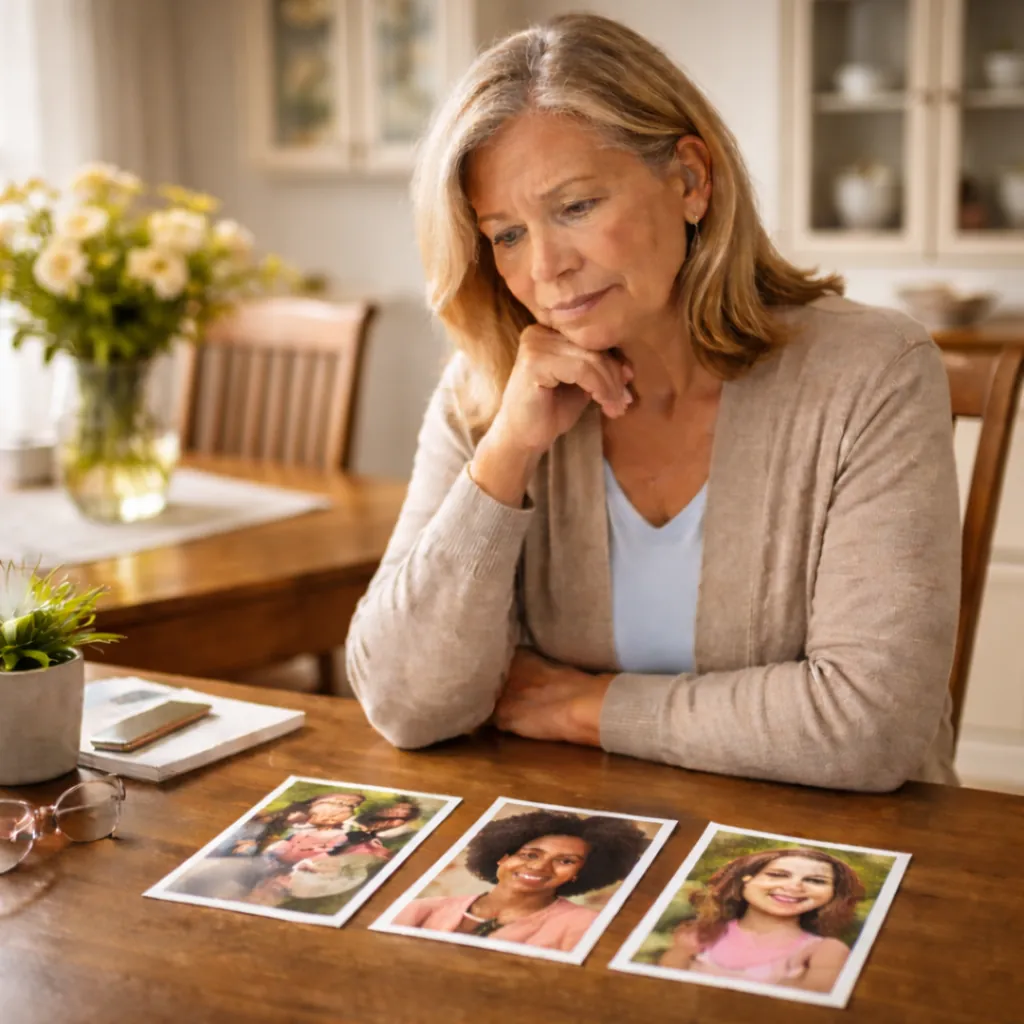
A well-structured Will turns difficult decisions into lasting clarity.
Deciding who should inherit what you leave behind is, for most people, the most personal part of making a will. There is no single right answer. Every family is different, every set of circumstances is different, and the decisions you make will reflect your own values, your relationships, and your wishes for the people you care about.
What this guide aims to do is walk you through the key choices you are likely to face, explain the implications of each, and help you think clearly before you sit down to instruct a professional will drafter. Because while the decisions themselves are yours to make, the way those decisions are recorded in a legal document matters enormously.
Table of Contents
Your Starting Point: Who Are You Thinking Of?
Most people begin with a mental list of the people who matter most to them. A partner. Children. Perhaps grandchildren, siblings, close friends, or a favourite charity. The question is not just who you want to benefit, but in what proportions, and under what conditions.
The law in England and Wales does not tell you who must inherit your estate (with some limited exceptions we will touch on below). Subject to those exceptions, you are free to leave your estate however you choose. But that freedom only exists if you have a valid, professionally drafted will in place. Without one, the intestacy rules apply, and those rules may distribute your estate in a way that is very different from what you would have wanted.
If You Have an Unmarried Partner, a Will Is Not Optional
This is one of the most important points in this entire guide, so it is worth stating plainly. No matter how long you and your partner have lived together, if you are not married or in a civil partnership, your partner has no automatic right to inherit anything from your estate under the intestacy rules.
The term “common law marriage” is widely believed but legally meaningless in England and Wales. It does not exist. If you die without a will and you are unmarried, your estate will pass to your blood relatives according to a fixed legal order. Your partner could be left with nothing, regardless of how many years you have shared a home, finances, or a life together.
The only way to ensure your unmarried partner is properly provided for is to make a will. You can choose to leave your entire estate to your partner, or a specific share, or particular assets. The point is that the choice is yours to make, and a will is the legal instrument through which you make it.
It is also worth knowing that if your partner is not provided for in your will (or if there is no will), they may be able to bring a claim under the Inheritance (Provision for Family and Dependants) Act 1975 as a cohabiting partner. However, such claims are uncertain, stressful, expensive, and by no means guaranteed to succeed. A properly drafted will is a far more reliable solution.
Cohabiting but not married? Your partner could inherit nothing if you die without a will. Find out how we can help you protect them
Balancing Provision for a Spouse and Provision for Children
For married couples with children, one of the central questions in will planning is how to strike the right balance between providing for a surviving spouse and ensuring the children eventually benefit too.
The tension is a real one. On the one hand, you want your spouse to be financially secure after your death, with access to enough money to maintain their standard of living without undue worry. On the other hand, you may want to make sure that your children, particularly children from a previous relationship, receive a fair share of your estate in due course.
Getting this balance wrong in either direction can cause significant problems. Leaving everything directly to your children on your death could leave a surviving spouse without the resources they need. Leaving everything unconditionally to a surviving spouse could mean your children receive nothing if, for example, the survivor remarries, changes their views, or runs into financial difficulties.
There is no formula that works for everyone. But there are several approaches that will drafters use to help couples navigate this, and your specific circumstances will guide which approach is most appropriate.
Mirror Wills: The Simple and Popular Choice
For couples in established, settled relationships where both partners share the same intentions for their children, mirror wills are a very common choice and often the right one.
Mirror wills are two separate wills, one for each partner, which mirror each other in their terms. Typically, each partner leaves their entire estate to the other in the first instance. When the survivor then dies, the estate passes to the children (or whoever else has been named as the ultimate beneficiaries).
This arrangement is straightforward, relatively simple to draft, and easy to understand. It provides full financial security for the surviving spouse because they receive the whole estate outright, with no restrictions on how they use it. And it reflects the genuine intention of many couples: that their children will ultimately inherit once both parents have gone.
However, there is a risk that is worth understanding. Because the survivor receives the estate outright, they are free to do whatever they wish with it after the first death. If the survivor remarries, their new spouse could benefit from the estate at the expense of the original children. If the survivor falls out with a child, they could choose to exclude that child from their own later will. If the survivor develops a close relationship with a new family or simply changes their mind over time, the original shared intentions may never be fulfilled.
This does not mean mirror wills are the wrong choice. For many couples in stable, long-standing relationships with high mutual trust, they work very well. But it does mean you should go into the arrangement with your eyes open and discuss with your will drafter whether additional protection, such as a life-interest trust, might be worth considering.
Blended Families and Stepchildren: A More Complex Picture
If you are part of a blended family, where one or both of you has children from a previous relationship, deciding how to divide your estate fairly becomes considerably more nuanced.
The central difficulty is that what feels fair to one partner may not feel fair to the other. And the law will not automatically protect stepchildren. A stepchild has no automatic right to inherit from a stepparent under the intestacy rules, and they will only benefit under a will if they are expressly named as a beneficiary.
Sharing Everything Equally
One approach is for both partners to treat all of the children, biological and step, equally. Under this model, when the survivor eventually dies, the estate is divided equally among all the children regardless of which parent they belong to. This can work well in families where everyone gets along, and the children have grown up together as one family unit.
Each Partner Providing for Their Own Children
An alternative approach is for each partner to ringfence their own personal assets for their own biological children, while still providing for the surviving spouse in the meantime. This might be achieved through a life interest trust, where the survivor has the use and income from the estate during their lifetime, but the capital eventually passes to the children of the first to die.
This kind of arrangement requires careful drafting but can strike a fairer balance in blended family situations. It gives the surviving partner financial security without allowing the assets to drift away from the children who were always intended to benefit.
There is no single right answer here, and the best solution will depend on the nature and length of the relationship, the ages of the children, the respective financial positions of both partners, and the degree of trust between all parties. This is precisely the kind of situation where professional advice, rather than a DIY will kit, is worth every penny.
Blended family? The decisions you make in your will can protect all the children in your life. Speak to us about your options.
Estranged Relatives: Omission, Risk, and How to Manage It
Not every family is harmonious, and not every potential beneficiary will be someone you wish to benefit. You may have an estranged child, a sibling you have had no contact with for years, or a relative with whom you have had a serious and lasting falling out. The question is: what do you do about them in your will?
The first thing to understand is that, in most cases, you are not legally required to leave anything to an estranged relative. You are free to omit them entirely, or to leave them a reduced share if you prefer. The law in England and Wales broadly respects testamentary freedom, meaning your right to leave your estate as you choose.
However, there is an important exception. Under the Inheritance (Provision for Family and Dependants) Act 1975, certain categories of people, including children (of any age) and anyone who was financially dependent on you, may be entitled to bring a legal claim against your estate if they feel they have not been reasonably provided for. An estranged adult child, for example, could potentially make such a claim even if you deliberately omitted them from your will.
This does not mean you cannot omit an estranged relative. Rather, it means you should take steps to reduce the risk of a successful claim. One of the most effective ways of doing this is to accompany your will with a carefully drafted letter of wishes. This is a separate document, addressed to your executors and sometimes to the court, in which you explain in your own words why you have chosen to make no provision, or reduced provision, for a particular person.
A letter of wishes is not legally binding, but it carries real evidential weight. If a 1975 Act claim is made, the court will want to understand the testator’s reasons, and a detailed, thoughtful letter of wishes can make a significant difference to the outcome. It demonstrates that the omission was deliberate and considered, not an oversight.
The drafting of a letter of wishes is something your will drafter should be involved in. It needs to be consistent with the will itself and written in a way that will stand up to scrutiny if it is ever read by a court.
Providing for Vulnerable or Disabled Beneficiaries
If one of the people you want to benefit has a disability, a mental health condition, or is otherwise vulnerable, leaving them an outright inheritance under your will may not be the most helpful thing you can do for them.
There are two main reasons for this. First, a sudden inheritance can affect eligibility for means-tested state benefits. If a vulnerable person receives a large sum of money, they may lose access to benefits they rely on, including those that fund care provision. Second, a person who lacks full mental capacity may not be well placed to manage a significant sum of money independently and could be at risk of financial exploitation.
A discretionary trust written into your will can address both of these concerns. Rather than leaving assets outright to the beneficiary, you leave them to a group of trustees (people you trust to act in the beneficiary’s best interests) with instructions that the assets can be used for the beneficiary’s benefit at the trustees’ discretion. Because the beneficiary does not legally own the trust assets, they should not automatically affect means-tested benefits.
This kind of arrangement, sometimes called a discretionary trust or a vulnerable person’s trust, requires careful drafting and a clear understanding of the relevant rules. But for families with a vulnerable or disabled member, it can be one of the most important and compassionate provisions they can make.
Caring for a vulnerable family member? A specialist trust in your will could protect their benefits and their future. Talk to us.
Why Professional Will Drafting Makes All the Difference
It would be dishonest to write a guide like this without being clear about one thing. The decisions you make about who should inherit your estate are important. But the way those decisions are documented in your will is equally important, and poor drafting is one of the most common causes of will disputes and family conflict.
Ambiguous wording, unintended omissions, a failure to account for the rules of intestacy or the 1975 Act, and a lack of proper provision for alternative beneficiaries are all issues that arise with wills that have not been professionally drafted. DIY wills and online template services can leave gaps that only become apparent after you have died, at which point nothing can be done to put them right.
A professionally drafted will anticipates problems before they arise. It uses precise language that has been tested in the courts. It considers what happens if a beneficiary dies before you do. It takes account of the current rules around inheritance tax, trusts, and family provision claims. And it reflects your actual intentions, not a best-guess interpretation of them.
The cost of getting a will professionally drafted is modest relative to the value of the estate it protects and the peace of mind it provides. The cost of getting it wrong can be far greater, both financially and in terms of the relationships it can damage.
We Are Here to Help
Making decisions about your estate is not always easy. Questions about who should benefit, in what shares, and under what conditions can stir up complicated feelings, particularly in families with complex histories or relationships.
Our role is not to tell you what to do. It is to listen to your circumstances, explain your options clearly, and translate your wishes into a properly drafted legal document that accurately reflects what you want.
If you would like to talk through your situation with no obligation, we would be delighted to hear from you. You can use the contact link below or simply call us to get started.
Frequently Asked Questions
Can I leave my estate to anyone I choose?
In England and Wales, you have broad freedom to leave your estate to whoever you wish. However, certain people, including children and financial dependants, may be able to bring a claim under the Inheritance (Provision for Family and Dependants) Act 1975 if they feel the will does not make reasonable financial provision for them.
Does my unmarried partner have any automatic rights to my estate?
No. An unmarried partner has no automatic right to inherit under the intestacy rules. Making a will is the only reliable way to ensure your partner is provided for.
What are mirror wills?
Mirror wills are two separate wills made by a couple which reflect each other in their terms. Typically, each partner leaves everything to the other, and the survivor then leaves everything to the children. They are a popular and cost-effective option for couples in established relationships with shared intentions.
Can I exclude a child from my will?
Yes, in most circumstances. There is no legal obligation in England and Wales to leave anything to your children, though an excluded child may be able to bring a claim under the 1975 Act. Accompanying your will with a carefully drafted letter of wishes can help to reduce this risk.
What is a discretionary trust in a will?
A discretionary trust allows you to leave assets to a group of trustees who can then use those assets for the benefit of named individuals at their discretion. This is particularly useful where a beneficiary is vulnerable, disabled, or might otherwise lose access to means-tested benefits if they received an outright inheritance.


Disclaimer
This article is intended as general information only and does not constitute legal advice. The information refers to the law of England and Wales. Tax thresholds and legal rules are correct at the time of writing but are subject to change. We recommend that you seek professional advice regarding your own circumstances.
Bio
This article was written by Stephen Rhodes. Stephen was called to the Bar of England and Wales in 1999 and brings over 25 years of in-house experience working with solicitor firms across the Manchester area, with a specialism in Wills and Probate. He now focuses exclusively on will drafting, helping his clients ensure their loved ones are taken care of exactly as they would wish.