
Left With Nothing: The Hidden Risk Unmarried Couples Face Without a Will
8 minute read
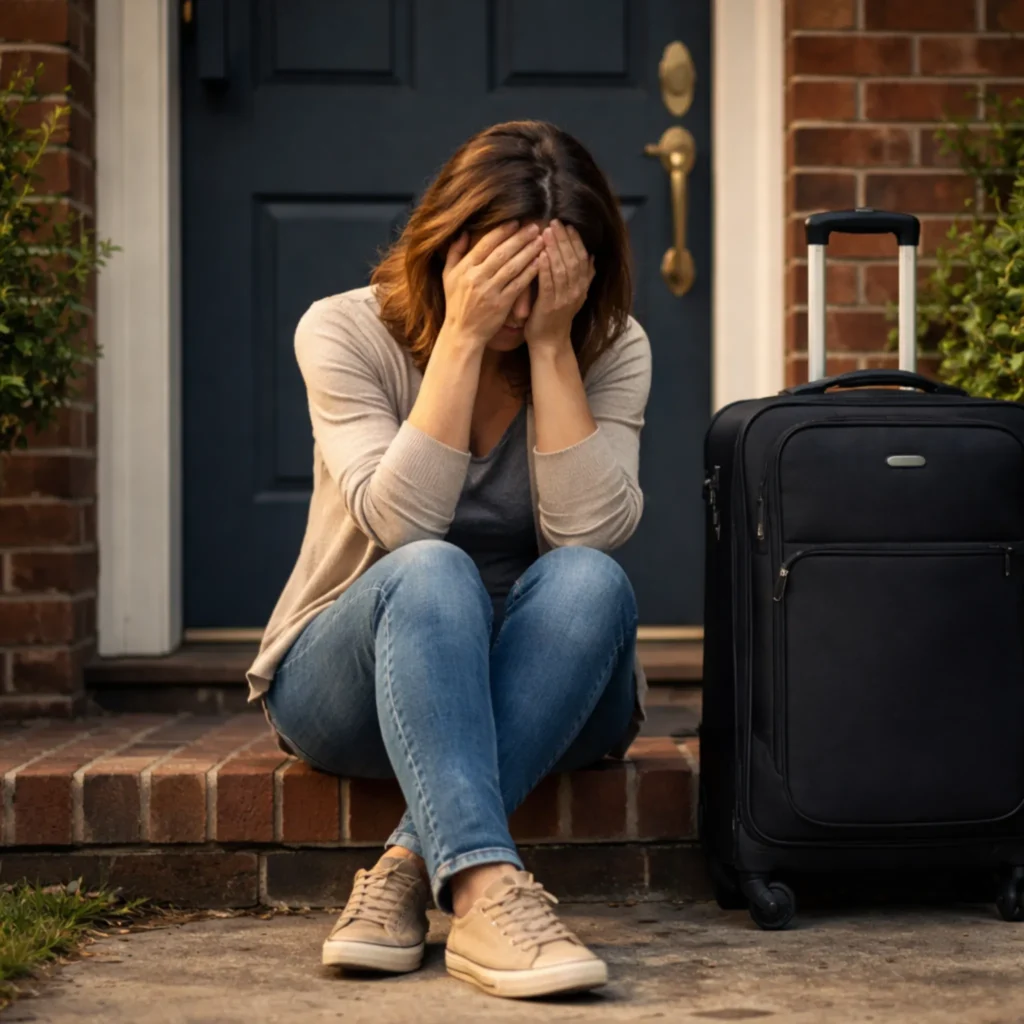
Sharing a home and a life doesn’t guarantee your partner will be provided for.
If you are living with a partner to whom you are not married or in a civil partnership, it is natural to assume that they would be taken care of if you were to die. In many relationships, partners share a home, finances, children and decades of life together. Surely the law would recognise that?
Sadly, under English law, it does not. An unmarried partner has very limited automatic legal rights when someone dies, regardless of how long the relationship has lasted or how intertwined your lives may be. The protections that exist in law are tied to legal relationships — marriage and civil partnership — rather than to living together.
This guide explains exactly what rights an unmarried partner does and does not have, what the law says about your home, your finances, and your children, and what steps can be taken to ensure the person you love is genuinely protected.
Remember
- Unmarried partners have no automatic right to inherit in England and Wales.
- “Common law marriage” is not recognised by English law.
- Without a Will, the intestacy rules apply, and your partner may receive nothing.
A properly drafted Will is the only reliable way to protect an unmarried partner.
Table of Contents
The Myth of Common Law Marriage
One of the most persistent and damaging myths in English law is the idea of “common law marriage.” Many people believe that living with a partner for a certain number of years — two, five, or ten — gives them the same legal rights as a married couple. But this is simply not the case.
English law does not recognise a common law marriage. It does not exist as a legal status, regardless of how long you have lived together, whether you have children together, whether you share finances, or whether you think of yourselves in every sense as a family. The law concerns itself with formal legal relationships — specifically marriage and civil partnership — and cohabitation, however long-standing and committed, does not automatically create those rights.
This is not a technicality or a grey area. It is a straightforward and firmly established rule of law, and it has significant consequences for unmarried partners when one of them dies.
What Happens Without a Will — The Intestacy Rules
If someone dies without a valid Will, they are said to have died “intestate.” In those circumstances, the law of England and Wales sets out a strict order of priority for distributing their estate. This order of priority is governed by the intestacy rules, which do not make any kind of provision for an unmarried partner.
Under the intestacy rules, the estate passes first to any surviving spouse or civil partner, and then to children. If there is no spouse, civil partner or children, it passes to other relatives in a fixed order — parents, siblings, grandparents, aunts and uncles, and so on down the family tree. Unmarried partners do not feature at any point in this hierarchy, however long the relationship lasted.
In practice, this means that even if you and your partner lived together for thirty years, raised children together, shared every aspect of your financial lives, and thought of each other as husband and wife in everything but name, your partner could die and you would receive nothing from their estate as a matter of automatic right.
The estate could pass entirely to your children, or to your partner’s parents, or to siblings they barely knew, depending on the family circumstances. Meanwhile, you could be left without access to the money you considered jointly yours, without the security of the home you shared, and potentially facing significant financial difficulty at an already devastating time.
The Family Home — A Particularly Vulnerable Area
For many cohabiting couples, the family home is the most significant asset they share. The position of an unmarried partner in relation to that property depends very much on how it is legally owned, and the answer is not always what people expect.
Joint Tenants
If you and your partner own your home as joint tenants, the right of survivorship applies. This means that when one of you dies, the other automatically inherits the deceased partner’s share of the property, regardless of what any Will or the intestacy rules might say. The property simply passes by “operation of law” to the surviving owner.
This is the one area where an unmarried partner in a jointly owned home may have some automatic protection. However, it is important to be certain about how the property is actually held. Many people assume they are joint tenants when they are not.
Tenants in Common
If you own the property as tenants in common, the position is very different. As tenants in common, each of you owns a defined share of the property — often 50/50, but not always. When one of you dies, their share does not pass automatically to the other. Instead, it forms part of their estate and is distributed according to their Will or, if there is none, the intestacy rules.
This means that an unmarried partner who is a tenant in common could find that their deceased partner’s share of the home passes to someone else entirely, potentially the deceased’s children from a previous relationship, or other relatives. In the worst case, this could result in the surviving partner being forced to sell the property to release the inherited share to others.
Solely Owned Property
The position is at its most difficult when the property is owned solely in the name of the deceased partner. In that situation, the surviving unmarried partner has no ownership interest in the property at all as a matter of property law. If there is no Will that makes provision for them, they could lose their home entirely and may not even have an automatic right to remain in it.
It is worth noting that a joint tenancy can be converted to a tenancy in common by serving a notice of severance. This is sometimes done for tax planning purposes. If you are not certain how you hold your property, it is worth checking the title register at HM Land Registry or taking advice from a specialist.
Making a Legal Claim Under the Inheritance (Provision for Family and Dependants) Act 1975
If an unmarried partner receives nothing from an estate because there is no Will, or because the Will does not make adequate provision for them, they may be able to make a legal claim against the estate under the Inheritance (Provision for Family and Dependants) Act 1975. This is often referred to simply as the 1975 Act.
Under this legislation, certain categories of person can apply to the court for financial provision from an estate, even where the Will or the intestacy rules would not otherwise provide for them. An unmarried partner who lived with the deceased in the same household for at least two years immediately before the death is included in this category.
However, the right to make such a claim comes with important limitations, and it is not a comfortable or certain alternative to a properly drafted Will.
The Standard of Provision Is Lower for Unmarried Partners
For a surviving spouse or civil partner, the court can award whatever financial provision is reasonable in all the circumstances, taking into account what they might have expected to receive on divorce. This is a relatively generous standard.
For an unmarried partner, the standard is different and more restrictive. The court can only award what amounts to “reasonable financial provision for maintenance.” This is a lower threshold and may fall significantly short of what the deceased partner would have wanted to provide for them, and well short of what the surviving partner may need.
You Would Have to Go to Court
Making a claim under the 1975 Act means litigating. It means instructing solicitors, potentially going to court, and arguing your case before a judge. Even if your claim has real merit, there are no guarantees, and the process can take months or even years.
There is also an emotional dimension that should not be underestimated. If your partner died without a Will, the people you would be litigating against may be your own children from the relationship or your partner’s family. This is a situation that causes real and lasting damage to families at a time when they are already grieving, and it is exactly the kind of outcome that a properly drafted Will would have avoided.
If You Have Children Together
If you and your unmarried partner have children together, those children are recognised under the intestacy rules. They will inherit from their parent’s estate as blood relatives, in the same way that children of a married couple would. In that sense, the children are not without rights.
However, this does not necessarily make the position comfortable for the surviving partner.
If the children are under 18, they cannot legally hold assets in their own name. In practice, this means the surviving parent will often need to manage the inherited funds on the children’s behalf until they reach 18, when the money is handed to them outright. The critical point is that those funds belong to the children. The surviving parent cannot use them for their own purposes, even if they are in financial difficulty and even if those funds once formed part of a shared financial life.
At 18, the children will also receive whatever has been held for them as a lump sum. Many parents feel that 18 is too young an age at which to receive a potentially significant inheritance outright, and would prefer the money to be held in trust until the children are older, or released in stages for specific purposes such as education or housing.
None of this can be arranged through the intestacy rules. It can only be achieved through a properly drafted Will that includes appropriate trust provisions.
The Simple Solution — A Will That Protects Your Partner
Every concern raised in this guide — the lack of automatic inheritance rights, the uncertainty over the family home, the prospect of court proceedings, the complexity of managing funds for children — can be addressed by a single document: a properly drafted Will.
A Will allows you to set out clearly and legally what should happen to your estate when you die. You can name your partner as a beneficiary, ensure they are provided for financially, deal with your share of the family home in a way that protects them, appoint them as an executor so they are in a position to administer your estate, and put in place trust arrangements for your children that reflect your actual wishes rather than a statutory default.
None of this is complicated, and it does not need to be expensive. What it does require is taking the step of having it done properly, by someone who understands what they are doing and can ask the right questions to ensure your wishes are captured accurately.
The alternative is to leave the people you care about most in a situation where the law was simply not designed to help them.
A Note on Our Will-Drafting Service
If this guide has raised concerns about your own situation, we are here to help. Our will-drafting service covers the full range of needs for individuals and couples across England and Wales, including Wills designed to protect unmarried partners, trust arrangements for children, and guidance on how jointly owned property should be handled alongside your Will.
You can find out more about our Will-drafting service, or contact us directly using the link below. We are happy to answer initial questions without any obligation.
Frequently Asked Questions
Does an unmarried partner have any legal rights when someone dies in England and Wales?
An unmarried partner has very limited automatic rights under the law of England and Wales. They have no right to inherit under the intestacy rules, regardless of how long the relationship lasted. Their only possible automatic protection relates to property held as joint tenants, where the right of survivorship applies. In all other respects, an unmarried partner’s position depends on whether a Will has been made in their favour.
What is common law marriage and is it recognised in England and Wales?
Common law marriage is the idea that a couple who have lived together for a certain length of time acquire the same legal rights as a married couple. This concept is not recognised in England and Wales. No amount of cohabitation creates the legal rights that come with marriage or civil partnership. The law only recognises formal legal relationships.
What happens to an unmarried partner's home if their partner dies without a Will?
This depends on how the property is owned. If the home is held as joint tenants, the surviving partner inherits the deceased’s share automatically by right of survivorship. If it is held as tenants in common, the deceased’s share forms part of their estate and passes under the intestacy rules, which do not include unmarried partners. If the property was solely in the deceased’s name, the surviving partner has no ownership interest at all and could face losing their home.
Can an unmarried partner make a claim against their partner's estate?
Yes, in some circumstances. Under the Inheritance (Provision for Family and Dependants) Act 1975, an unmarried partner who lived with the deceased in the same household for at least two years before the death can apply to the court for financial provision. However, the standard of provision available to an unmarried partner is lower than that for a spouse, and any claim involves legal proceedings, costs, delays, and potential conflict with the deceased’s family.
Do children of an unmarried couple have any inheritance rights?
Yes. Children inherit from a parent’s estate under the intestacy rules in the same way, regardless of whether their parents were married. However, children under 18 cannot hold assets in their own name. The surviving parent may need to manage the funds on their behalf, but cannot use them for their own purposes. The children will receive their inheritance outright at 18.
What is the difference between joint tenants and tenants in common?
Joint tenants own property together as a whole, without defined individual shares. When one dies, their interest passes automatically to the surviving owner by right of survivorship, regardless of any Will or intestacy rules. Tenants in common each own a defined share of the property. When one dies, their share forms part of their estate and is distributed according to their Will or, if there is none, the intestacy rules.
How can I protect my unmarried partner if I die?
The most effective way to protect an unmarried partner is to make a Will that names them as a beneficiary. A Will allows you to leave them specific assets, a share of your estate, or your entire estate. It can also appoint them as your executor, deal with your share of any jointly owned property, and put in place trust arrangements for your children. Without a Will, your partner has no automatic right to receive anything from your estate.
Can an unmarried partner be named as an executor in a Will?
Yes. There is no legal requirement for an executor to be a spouse or relative. An unmarried partner can be named as sole executor, or as one of two or more executors, in a Will. Appointing your partner as executor means they will be responsible for administering your estate and carrying out your wishes.
Is it too late to make a Will to protect my partner?
It is rarely too late. Provided a person has mental capacity and meets the formal requirements for making a Will under the Wills Act 1837, a Will can be made at any point. If you are concerned about your partner’s position, the right time to act is now. A Will made today provides protection that the intestacy rules will never offer.



Disclaimer
This article is intended as general information only and does not constitute legal advice. The information refers to the law of England and Wales. Tax thresholds and legal rules are correct at the time of writing but are subject to change. We recommend that you seek professional advice regarding your own circumstances.
Bio
This article was written by Stephen Rhodes. Stephen was called to the Bar of England and Wales in 1999 and brings over 25 years of in-house experience working with solicitor firms across the Manchester area, with a specialism in Wills and Probate. He now focuses exclusively on will drafting, helping his clients ensure their loved ones are taken care of exactly as they would wish.